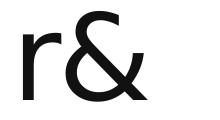
The offset rewards companies for spending their own money on uncertain work. Section 355-405 removes it where the money is not really at risk, because the company or an associate gets something back for spending it, however the experiment turns out.
The two tests
TR 2021/5 splits the rule into two questions, both asked at the time the expenditure is incurred:
- Nexus to expenditure. Has the company or an associate received, or could it reasonably expect, consideration as a direct or indirect result of incurring the spend?
- Regardless of results. Is that consideration payable whatever the R&D activities produce?
If both are met, the consideration is compared with the spend. Equal or more, and the whole amount is denied; less, and the deduction is reduced by the consideration. Consideration can be non-monetary. The ruling also shows the other side: where a customer buys an existing product under a separate deal that does not depend on the company doing the R&D, there is no nexus between that payment and the R&D spend, so the rule does not reach it.
Where it bites
- Contract development where a client pays a fixed fee for the work, whatever the outcome.
- Domestic intercompany arrangements that reimburse cost plus a margin. Section 355-405(4) switches the rule off for work that meets the foreign-resident or permanent establishment exceptions to the conducted-for rule; see companies with an overseas parent.
- Guaranteed returns, indemnities and subsidies tied to the spend, including those paid to an associate.
At-risk or clawback?
Read the funding agreement against both tests. Funding the company had, or could reasonably expect, when it spent the money engages the at-risk rule if it flows from incurring the spend and is payable whatever the results; a grant paid only if the research achieves set results may fail the second test. TR 2021/5 (Example 3, paras 58 to 63) adds that a subsidy announced and applied after the spend is outside the rule, though it may be a recoupment handled by clawback. Grant-funded clinical trials often need both checked.